Pack lighter for the islands
A practical packing method for French Polynesia built around your tickets, accommodation, planned activities and days in the tropics.
In this story
Packing for French Polynesia becomes easier when you stop packing for a tropical idea and start packing for the trip you booked. An island-hopping journey, a stay at one resort and a visit built around guided walks do not need identical bags. The common goal is to carry what supports your days without making every transfer harder.
Begin with the journey that has the tightest baggage conditions, then work outward. Check the allowance attached to each ticket and the equipment provided by your accommodation or activity organiser. A small amount of checking can remove several bulky “just in case” items.
Read the baggage conditions first
Do not assume that the suitcase accepted on an international flight will meet the conditions of every onward journey. Air Tahiti publishes separate guidance for cabin baggage, checked bags and special equipment. Read the current FAQ alongside the conditions of your own reservation.
Measure and weigh the bag you intend to use. Include the everyday items you will add at the last minute, such as a charger, reading material or camera. If you need to carry unusual equipment, obtain a clear answer from the operator before leaving home rather than relying on an old forum discussion.
Build clothing around actual days
Write down a normal day, a travel day and the most demanding activity you have planned. Select clothing that works across those situations. A few breathable pieces that combine easily are more useful than a separate outfit for every imagined photograph.
Include something suitable for cultural visits and meals away from the beach, as well as what you need for time near the water. Ask your accommodation about laundry options before deciding how many changes to bring. A longer stay does not necessarily require a proportionally larger bag if washing is practical.
Choose footwear for the itinerary
Think about where you will actually walk: terminals, roads, paths, the accommodation and any guided activity. Ask the activity provider what footwear is appropriate for the specific route. A vague description such as “island adventure” does not tell you what the ground will be like.
Avoid adding specialist items for an activity you have not decided to do. Equally, do not try to make an unsuitable shoe work simply to save space. Packing light means choosing deliberately, not removing the things that make an agreed activity comfortable and appropriate.
Keep transfer essentials together
Use one small, accessible place for booking details, the contact for your arrival transfer and the items you need during the journey. Save confirmations offline and keep a separate copy of the important information. Check that your phone can display it without a network connection.
A travel-day change of clothing and your personal essentials are easier to manage when they are organised rather than buried across several bags. Follow the carrier’s rules for electronics, liquids and anything with special handling requirements. Let the actual operator’s current instructions determine where those items go.
Ask before packing bulky equipment
Find out whether the activity organiser provides the equipment you need and whether you are comfortable using it. If fit is important to you, discuss that in advance. Carrying your own equipment can make sense, but it should be a decision rather than a habit.
The same principle applies to towels and other property amenities. Read the room information and ask about anything unclear. Avoid assuming that all guesthouses or resorts offer the same facilities; a quick confirmation is more useful than a bag full of duplicates.
A compact starting checklist
- Travel documents, booking confirmations and offline transfer contacts.
- Clothing for ordinary days, cultural visits and the activities you booked.
- Swimwear and the items you use for time around water.
- Footwear appropriate to your confirmed plans.
- Personal toiletries and essentials in quantities suited to the trip.
- Chargers and the power arrangements required by your devices and accommodation.
- A reusable day bag and a way to keep small belongings organised.
- Any specialist equipment confirmed with the operator in advance.
Treat this as a starting point, not a universal inventory. Personal needs and the exact journey determine what belongs in your bag.
Do one realistic rehearsal
Pack the bag, close it and carry it the way you will during a transfer. Can you comfortably handle it while keeping your documents accessible? Can you find what you need without unpacking everything? Remove the items whose only purpose is an unlikely scenario, then check the weight again.
Leave a little room rather than filling every space because it exists. An easier bag gives you more attention for the journey itself. Pair this method with our island-hopping checklist and accommodation comparison so packing reflects the stay you have actually chosen.
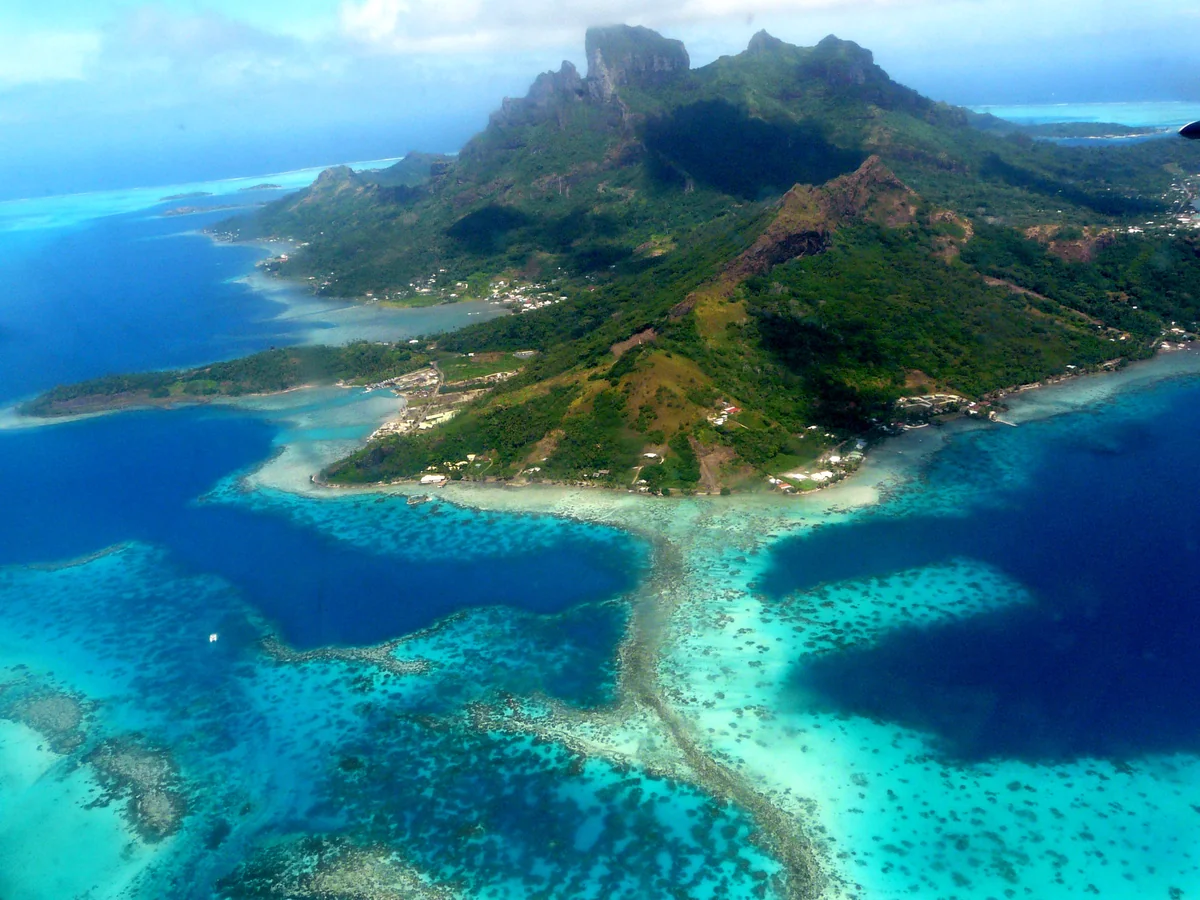
_Photo_by_Giles_Laurent.jpg)
