Guesthouse or overwater bungalow? Choose your kind of stay
Compare accommodation by location, meals, privacy and the full cost of your days, rather than the room photograph alone.
In this story
A room can be the destination, or it can be a comfortable place to return to after exploring. Neither approach is inherently better. The useful choice is the one that supports the trip you want, at a cost and level of independence you are comfortable with.
In French Polynesia, comparing accommodation means looking beyond the room category. A guesthouse, a beach bungalow and an overwater room may come with very different arrangements for meals, transfers and daily activities. Start by understanding the complete stay, then decide which details are worth paying for.
Decide what the room needs to do
Make two lists: essentials and pleasures. Essentials might include comfortable sleeping arrangements, a suitable bathroom, reliable access for your mobility needs or an agreed arrival transfer. Pleasures could include a particular view, a private outdoor space or the experience of sleeping over the water.
Keep the lists honest. Something can be a pleasure and still be worth prioritising. The point is to recognise what you are choosing, rather than expecting a more expensive room to solve unrelated questions about transport or the way you like to spend a day.
Compare locations before categories
Look at the property’s position relative to the places you want to visit. Ask how you will get there and back, particularly in the evening. A secluded setting is appealing when you want to stay put; it can feel restrictive when your plan involves frequent independent outings.
For accommodation on a separate motu, clarify boat transfers and their availability. For a mainland or village base, ask about road access and realistic nearby meal options. Do not rely on straight-line distances when the actual journey follows a different route.
Ask what meals mean in practice
Find out exactly which meals are included, at what times and under what arrangements. Ask whether advance notice is needed and how dietary requirements are handled. If you expect to eat elsewhere, understand the transport involved before assuming that it is easy to change plans after arrival.
A stay with arranged meals can remove several daily decisions. A self-catering or more independent arrangement can provide flexibility, but only if shopping, storage and cooking facilities fit your needs. The right option is the one that makes your ordinary day work.
Build a complete cost comparison
Put the room price, mandatory charges, transfers, meals and likely transport into one comparison. Add any activities you already know you want. Use the same number of nights and the same assumptions for every property so the totals mean something.
| Question | What a useful answer includes |
|---|---|
| What does the rate include? | Named meals, transfers and services, with conditions |
| How do we arrive? | Meeting point, journey and confirmed price |
| How do we leave the property? | Available transport and practical timing |
| What can change? | Cancellation and amendment terms for your exact rate |
| What suits our needs? | Clear details about access, room layout and facilities |
Keep the written answers with the booking. A general statement on a homepage may not describe the particular room or rate you selected.
Consider splitting the experience
If an overwater stay is important to you but does not fit the whole-trip budget, compare a shorter stay with a longer, more modest base elsewhere. Include the cost and time of changing accommodation. One move may be worthwhile; repeated moves can consume the time you hoped to enjoy.
Another option is to stay longer in one place and use the difference for a meaningful guided experience. There is no formula that decides this for you. Think about which part of the trip you expect to remember most clearly, and what you would miss if it were removed.
Avoid assumptions about authenticity
A smaller property does not automatically create a personal connection, just as a larger one does not prevent it. Ask how the stay operates and what opportunities there are to learn about the area. Let the people hosting you define their own work instead of assigning them a role in a romantic travel story.
If cultural learning matters, make it an explicit part of your planning. Our Raiatea guide and Taputapuātea visit notes help you consider that dimension alongside accommodation.
Book the stay you understand
Before committing, describe the arrival, an ordinary day and the departure in plain language. If you cannot explain how those three parts work, ask the remaining questions. A clear, well-matched stay is more valuable than a room chosen entirely from an exceptional photograph.
For destination context, use Tahiti Tourisme’s official accommodation information and confirm every offer directly with the property. This article is a comparison framework; it does not rank or endorse specific hotels or guesthouses.
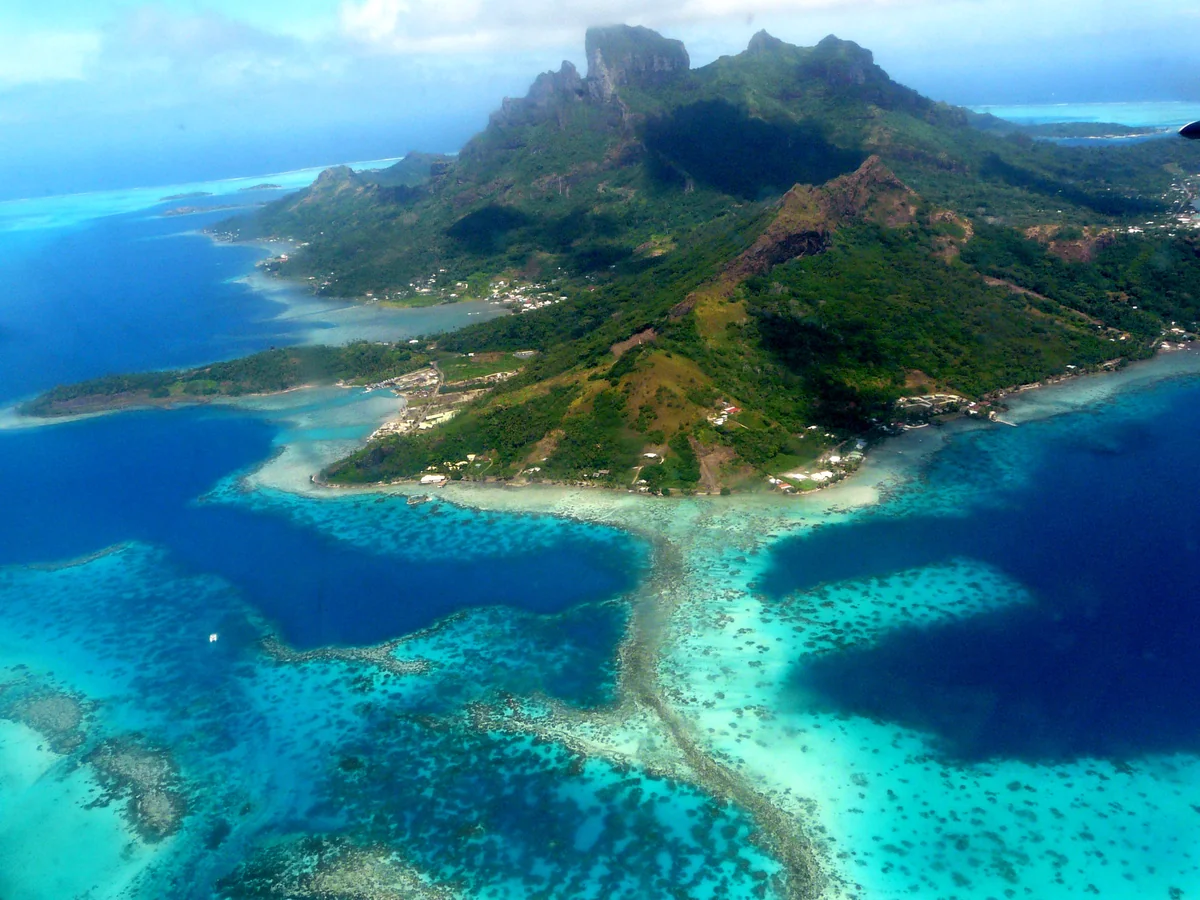
_Photo_by_Giles_Laurent.jpg)
