Raiatea, beyond the lagoon
Plan a slower stay on Raiatea around Taputapuātea, local knowledge and generous time between land and lagoon experiences.
In this story
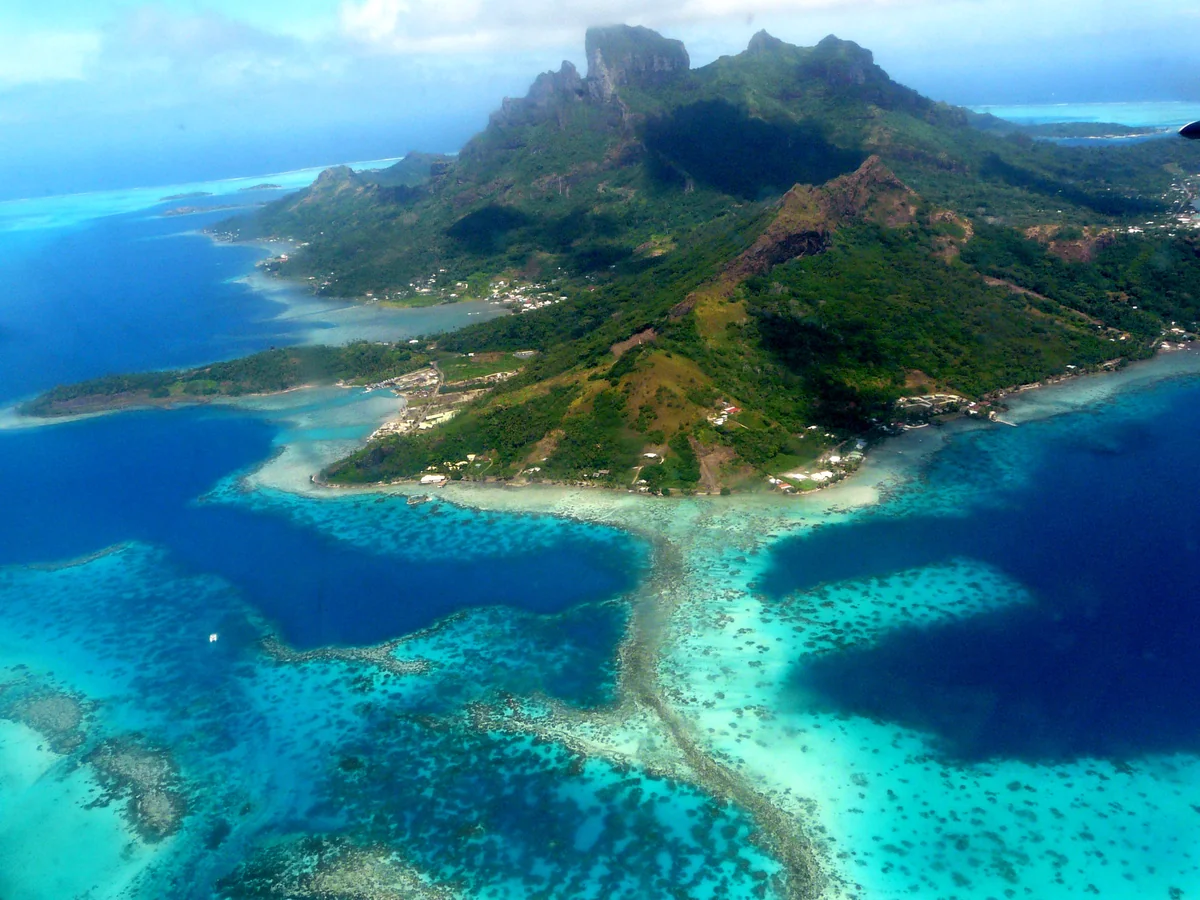
Raiatea rewards a visit that begins with a question rather than a checklist: what connects this landscape to the people who live here? The island’s mountains and lagoon give a powerful first impression. Its cultural places invite you to look again, with more context and less hurry.
A three-day outline is enough to organise a stay, but it should not become a race. Use the framework below to choose one main focus each day. Add nights if you want time for longer guided outings, weather changes or simply a second afternoon in a place that stayed with you.
Choose your base around daily journeys
Before comparing room photographs, locate each property on a map. Ask how you will reach it from the airport and what transport is realistic for the activities you want. Being on the same island is not the same as being within a comfortable walk. Dinner arrangements matter just as much as the view.
If you plan to rent a vehicle, confirm pickup, return and the provider’s conditions before committing. If you prefer transfers, ask for the cost and whether they are shared or private. A stay that includes meals may suit someone who wants fewer decisions; a more independent arrangement works better when food and transport are understood.
Day one: arrive and notice where you are
Keep the arrival afternoon light. Settle in, arrange the next day’s transport and ask your host what you should know about the immediate area. Learn which shore access is public, which paths require permission and where to find practical essentials. Those conversations are more useful than assuming that a line on a map is an invitation.
If time permits, make one short outing nearby. Observe the relationship between the road, the shoreline and the mountains without trying to photograph every angle. Save the more demanding activity for a day that begins after a full night’s sleep. A quiet start also gives you time to correct a transport misunderstanding before it affects a booked excursion.
Day two: give Taputapuātea your attention
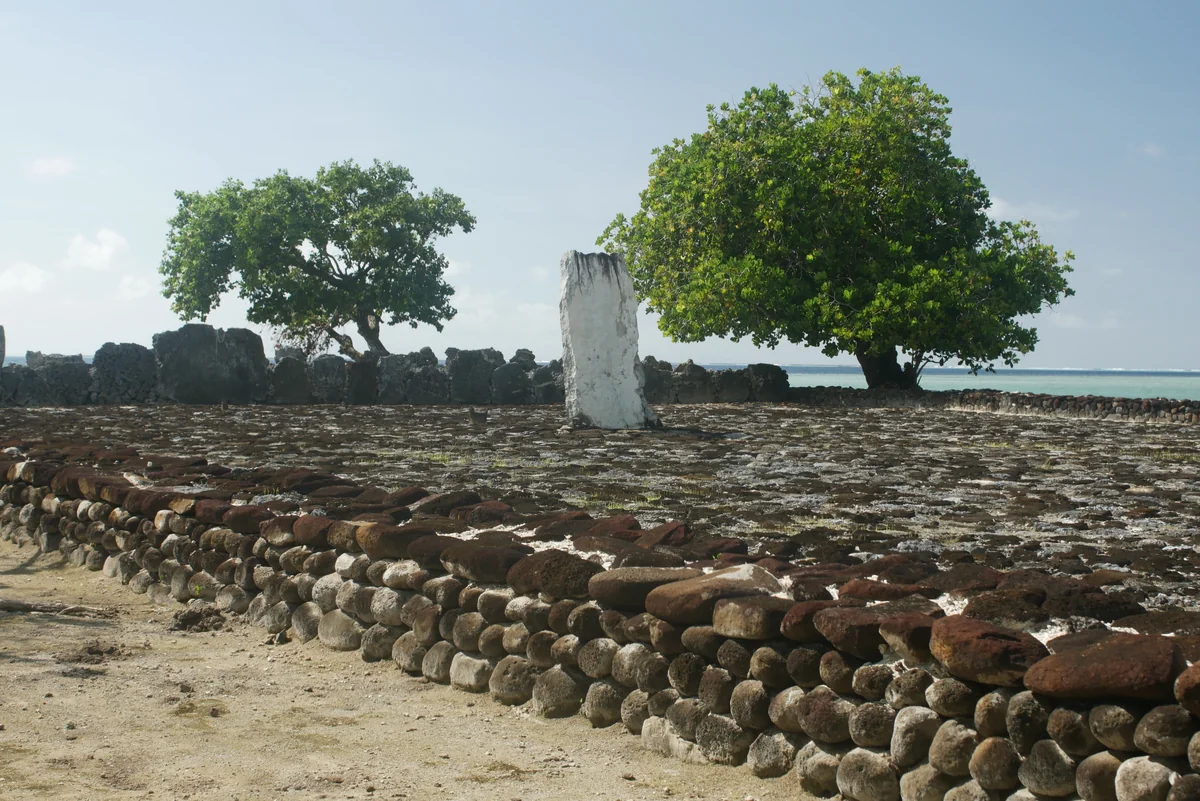
UNESCO recognises Taputapuātea as a cultural landscape and seascape on Raiatea. Its significance includes the relationship between the marae complex, surrounding land and ocean. That wider perspective changes the visit: the water beyond the stones is part of the story, rather than just a scenic background.
Arrange a knowledgeable local guide when possible and ask how the visit will be conducted. Read the site information and follow current access instructions. Our guide to visiting Taputapuātea focuses on preparing good questions, listening carefully and leaving the physical site undisturbed.
Avoid attaching several long detours to the same day. Give yourself time after the visit to write down what you learned. Distinguish a documented historical fact from a story shared by an individual, and credit the person if you later repeat their interpretation.
Day three: choose land or lagoon
A day outdoors works best when its demands are clear. For a guided land outing, ask about route length, surface, shade, elevation and the return plan. Describing your actual experience is more useful than calling yourself “fairly fit.” Let a local professional advise on current conditions and whether the proposed route suits you.
For a lagoon outing, ask where it begins, how long you will be on the water and whether there is shade. Clarify how much swimming is expected and whether you can enjoy the day without entering the water. The most attractive photograph in an excursion listing is not a substitute for a clear description of the experience.
Leave space for a conversation
Cultural learning does not have to mean collecting activities. A conversation with a guide, host or maker can change the way you see the island. Ask whether there is time for questions, and accept that a person may prefer not to discuss some subjects. An invitation to visit or listen is not automatic permission to record.
When buying something locally made, ask who made it, what material it uses and how it should be cared for. Those details make a more lasting souvenir than an anonymous object chosen in a hurry. Avoid judging a place by whether it looks untouched by modern life; people’s daily lives are not a historical display.
What to confirm before you travel
Keep a short written list: accommodation transfer, meal arrangements, one principal activity, its meeting point and the contact for changes. Save these details offline. Add a free afternoon rather than a second non-refundable outing if the first depends on weather or sea conditions.
For a longer trip, combine this guide with our first-trip itinerary and guesthouse decision guide. Build the stay around the experiences you value, then choose a comfortable pace for reaching them.
Sources and further reading
Use Tahiti Tourisme’s Raiatea guide for destination information and UNESCO’s Taputapuātea entry for heritage context. Daily sequencing and booking questions here are editorial suggestions, not confirmations of availability.


_Photo_by_Giles_Laurent.jpg)